ACL 2022 Highlights
This post discusses my highlights of ACL 2022, including language diversity and multimodality, prompting, the next big ideas and keynotes, my favorite papers, and the hybrid conference experience.

This post discusses my highlights of ACL 2022, including language diversity and multimodality, prompting, the next big ideas and keynotes, my favorite papers, and the hybrid conference experience.
ACL 2022 took place in Dublin from 22nd–27th May 2022. This was my first in-person conference since ACL 2019. This is also my first conference highlights post since NAACL 2019. With 1032 accepted papers (604 long, 97 short, 331 in Findings), this post can only offer a glimpse of the diverse research presented at the conference—biased towards my research interests.
Here are the themes that were most noticeable for me across the conference program:
Here are highlights of other conference attendees:
If you attended ACL, I encourage you to reflect on and write up your impressions of the conference (send me a message and I will link them here).
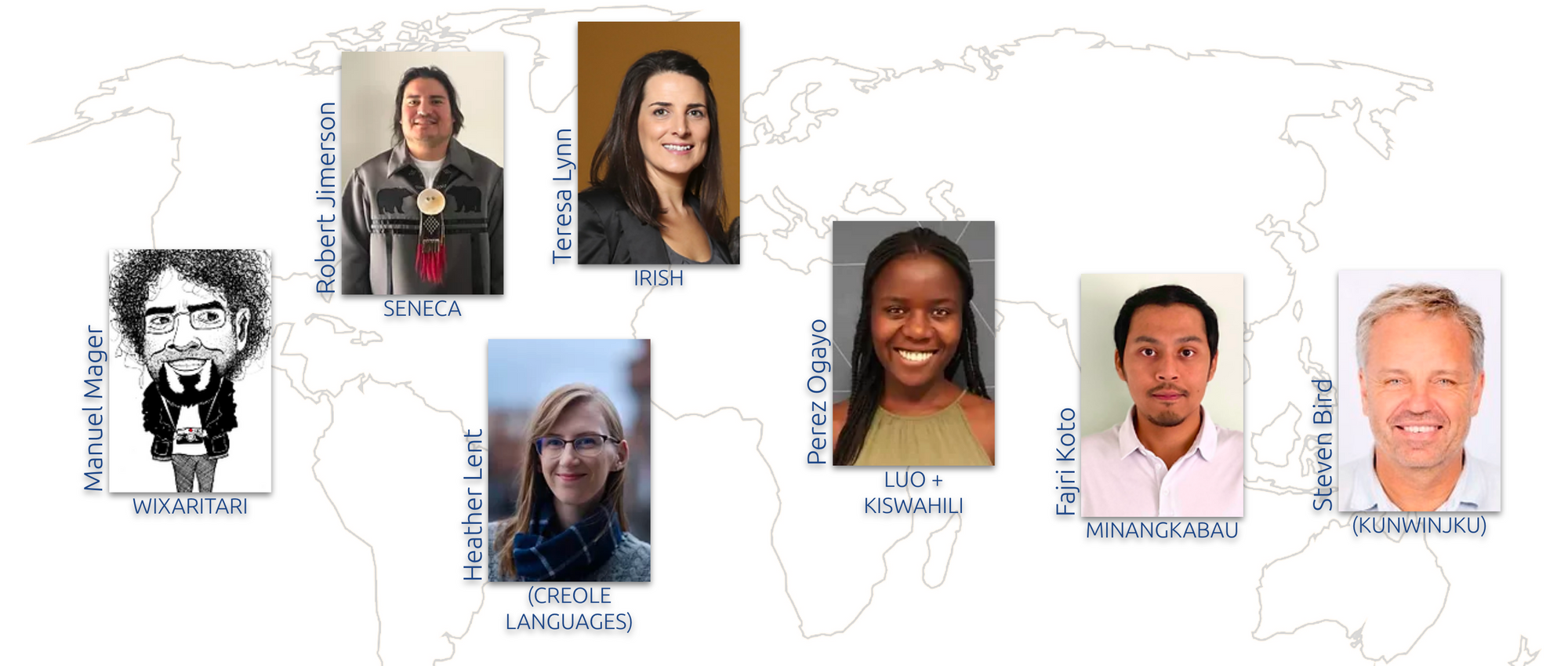
ACL 2022 had a theme track on the topic of “Language Diversity: from Low-Resource to Endangered Languages”. Beyond the excellent papers in the track, language diversity also permeated other parts of the conference. Steven Bird hosted a panel on language diversity featuring researchers speaking and studying under-represented languages (slides). The panelists shared their experiences and discussed interlingual power dynamics, among other topics. They also made practical suggestions to encourage more work on such languages: creating data resources; establishing a conference track for work on low-resource and endangered languages; and encouraging researchers to apply their systems to low-resource language data. They also mentioned a positive development, that researchers are becoming more aware of the value of high-quality datasets. Overall, the panelists emphasised that working with such languages requires respect—towards the speakers, the culture, and the languages themselves.
Endangered languages were also the focus of the Compute-EL workshop. In the awards ceremony, the best linguistic insight paper proposed KinyaBERT, a pre-trained model for Kinyarwanda that leverages a morphological analyzer. The best theme paper developed speech synthesis models for three Canadian indigenous languages. The latter is an example of how multimodal approaches can benefit language diversity.
Other multimodal papers leveraged phone representations to improve NER performance in Swahili and Kinyarwanda (Leong & Whitenack). For low-resource text-to-speech, Lux & Vu employ articulatory features such as position (e.g., frontness of the tongue) and category (e.g., voicedness), which generalize better to unseen phonemes. Some work also explored new multimodal applications such as detecting fingerspelling in American sign language (Shi et al.) or translating songs for tonal languages (Guo et al.).
The Multilingual Multimodal workshop hosted a shared task on multilingual visually grounded reasoning on the MaRVL dataset. Seeing the emergence of such multilingual multimodal approaches is particularly encouraging as it is an improvement over the previous year’s ACL where multimodal approaches mainly dealt with English (based on an analysis of “multi-dimensional” NLP research we did for an ACL 2022 Findings paper).
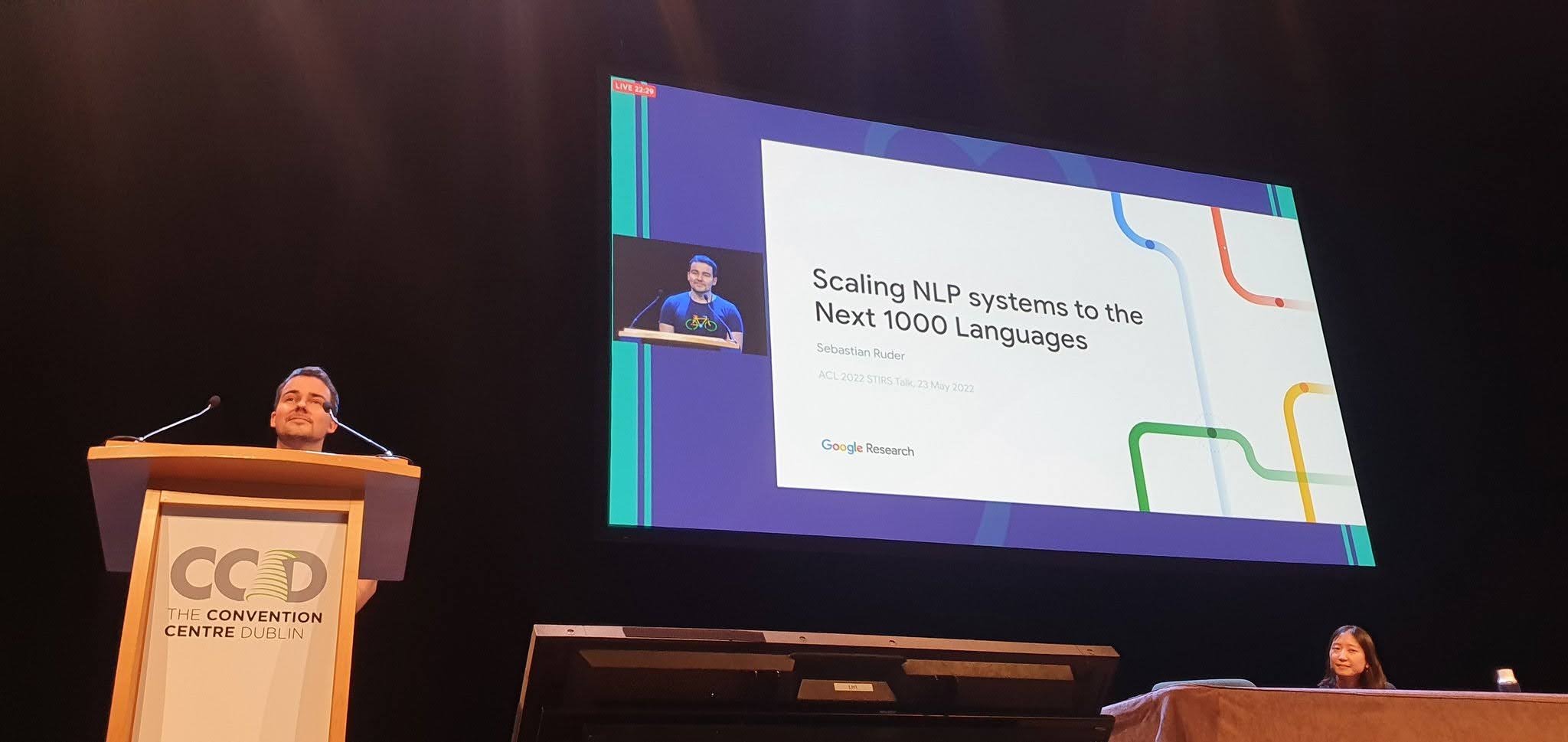
In an invited talk (slides), I emphasized multimodality in addition to three other challenges towards scaling NLP systems to the next 1,000 languages: computational efficiency, real-world evaluation, and language varieties. Multimodality is also at the heart of the ACL 2022 D&I Special Initiative “60-60 Globalization via localisation” announced by Mona Diab. The initiative focuses on making Computational Linguistics (CL) research accessible in 60 languages and across all modalities, including text/speech/sign language translation, closed captioning, and dubbing. Another useful aspect of the initiative is the curation of the most common CL terms and their translation into 60 languages. The unavailability of accurate scientific expressions poses a barrier to entry in many languages (see this related Masakhane project to decolonise science). The CL community is well positioned to advance the accessibility of scientific content and I am excited to see the progress of this grassroots initiative.
Under-represented languages typically have little text data available. Two tutorials focused on applying models to such low-resource settings. The tutorial on learning with limited text data discussed data augmentation, semi-supervised learning, and applications to multilinguality while the tutorial on zero-shot and few-shot NLP with pre-trained language models covered prompting, in-context learning, gradient-based LM task adaptation, among others.
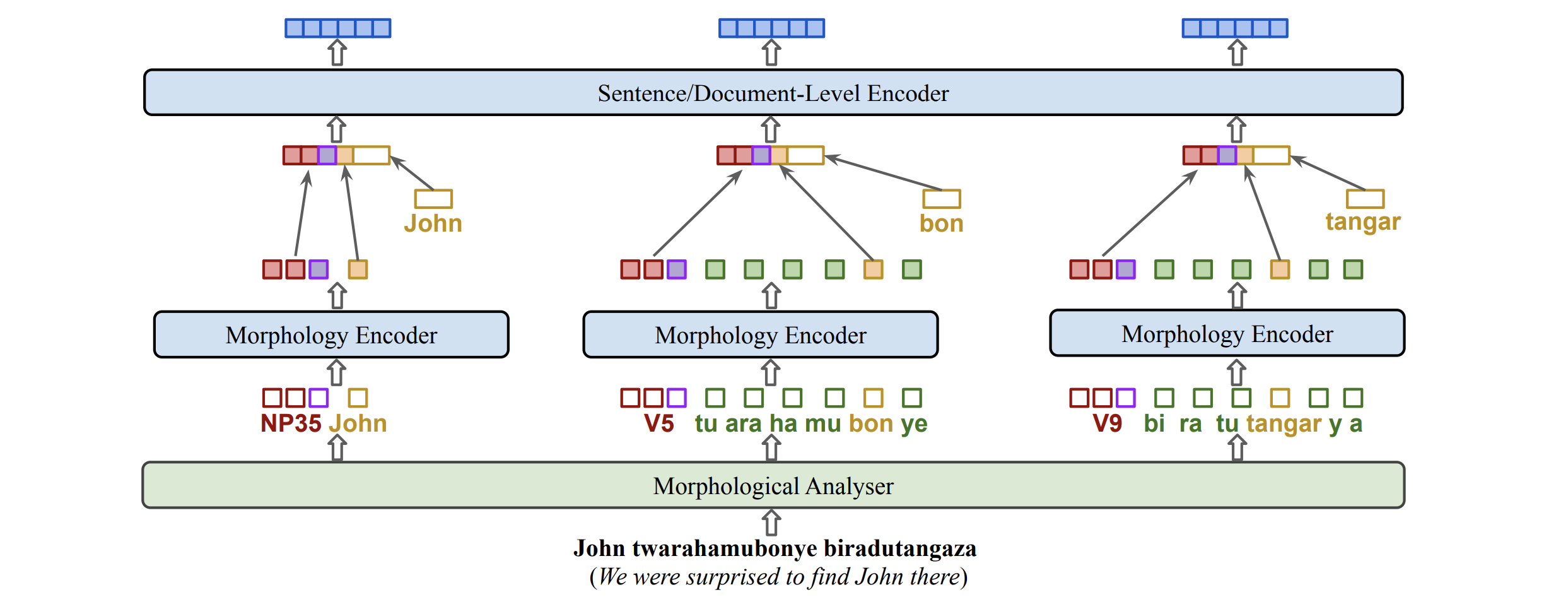
How to optimally represent tokens across different languages is an open problem. The conference program featured several new approaches to overcome this challenge. KinyaBERT (Nzeyimana & Rubungo) leveraged a morphological word segmentation approach. Similarly, Hofmann et al. propose a method that aims to preserve the morphological structure of words during tokenization. The algorithm tokenizes a word by determining its longest substring in the vocabulary and then recursing on the remaining string until a certain number of recursive calls.
Rather than choosing subwords that occur frequently in the multilingual pre-training data (which biases the model towards high-resource languages), Patil et al. propose a method that prefers subwords that are shared across multiple languages. Both CANINE (Clark et al.) and ByT5 (Xue et al.) do away with tokenization completely and operate directly on bytes.
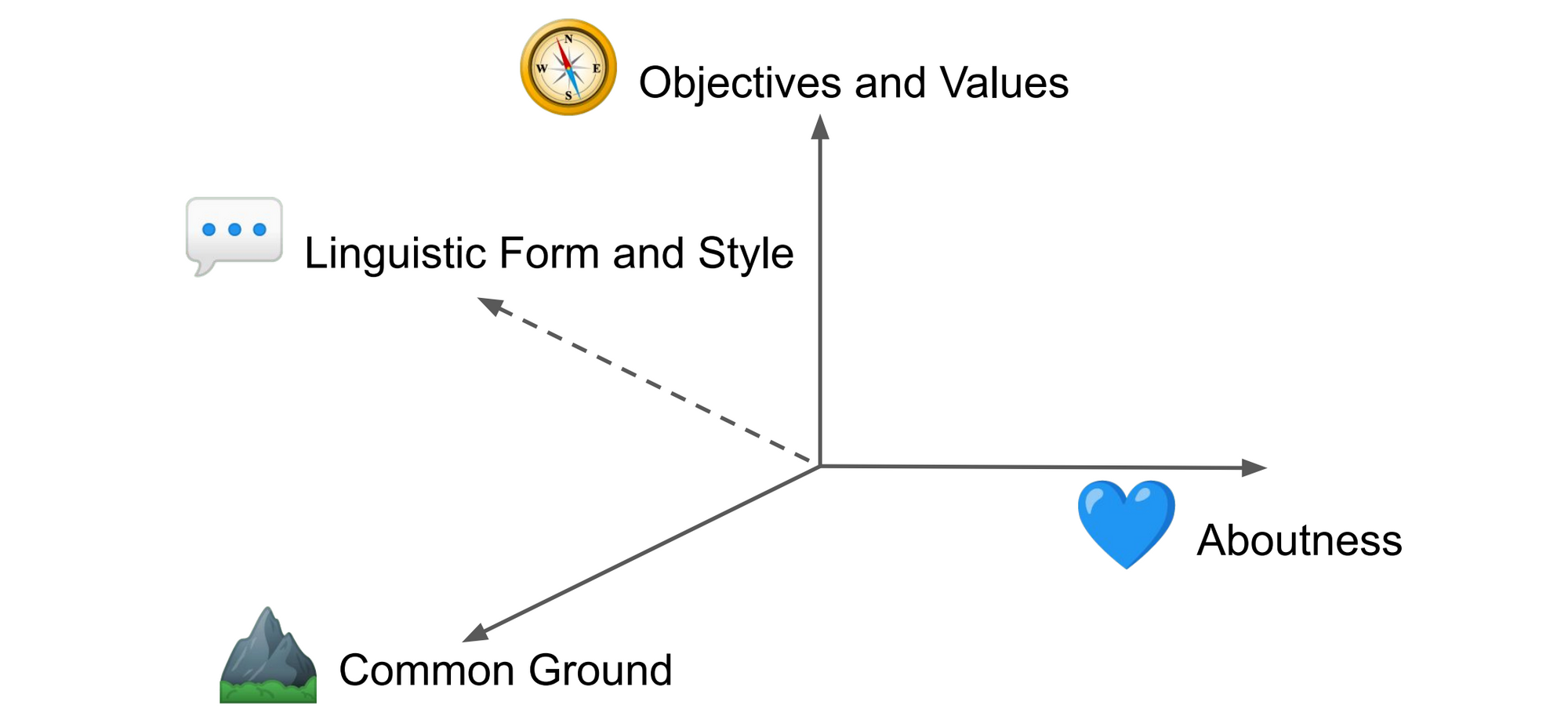
Languages naturally do not only differ in their linguistic form but also in their culture, which includes the shared knowledge, values, and goals of speakers, among other things. Hershcovich et al. provide a great overview of what is important for cross-cultural NLP. A particular form of cultural-specific knowledge relates to time and temporal expressions such as morning, which may refer to different hours in different languages (Schwartz).
Here are some of my favorite papers, beyond the ones already mentioned above:
I had the chance to collaborate on a couple of papers in this space:
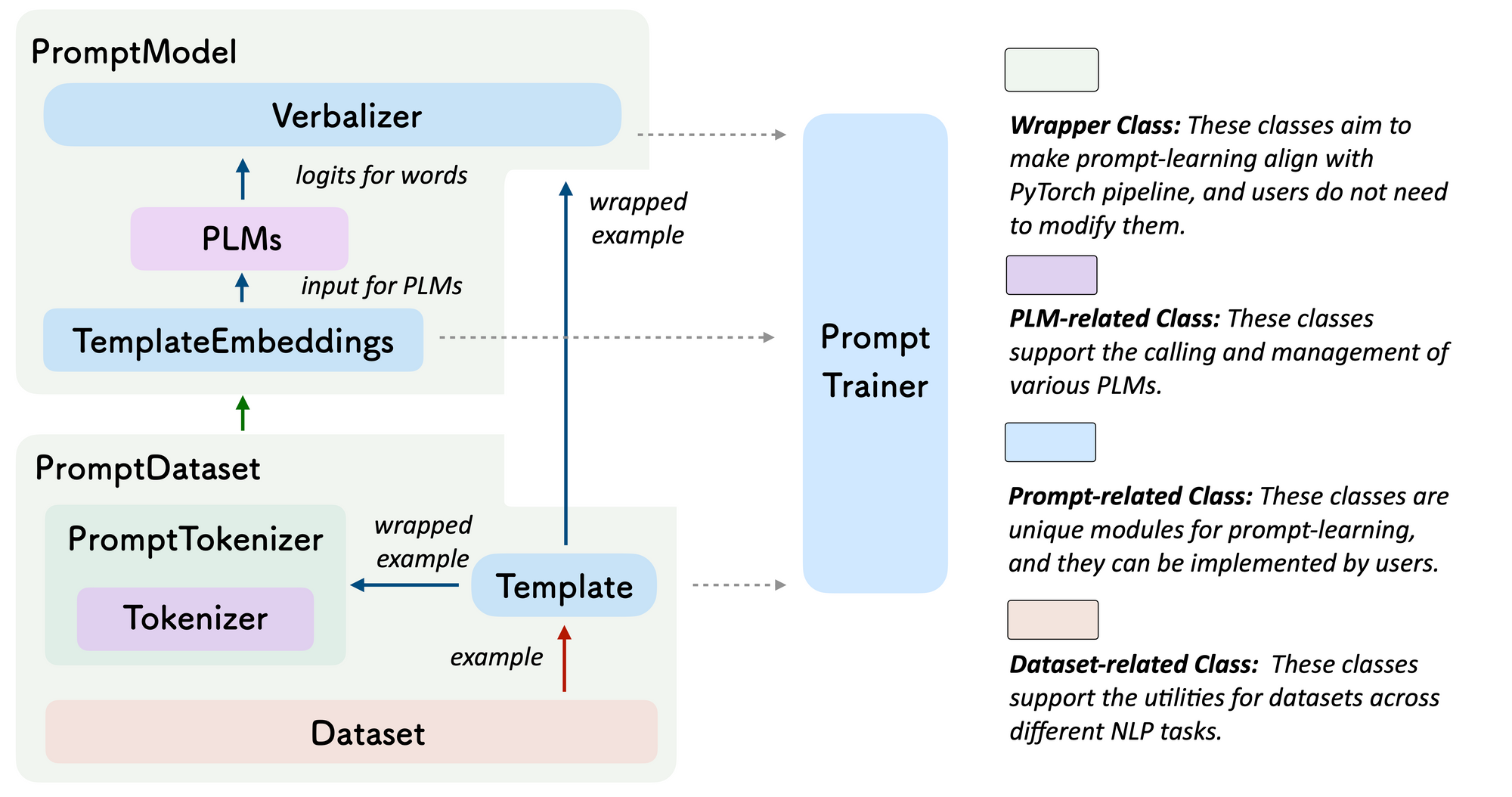
Prompting was another area that received a lot of attention. The best demo paper was OpenPrompt, an open-source framework for learning with prompts that allows to easily define templates and verbalizers and to combine them with pre-trained models.
A common thread of research was to incorporate external knowledge into learning. Hu et al. propose to expand the verbalizer with words from a knowledge base. Liu et al. use an LM to generate relevant knowledge statements in a few-shot setting. A second LM then uses these to answer commonsense questions. We can also incorporate additional knowledge by modifying the training data, e.g., by inserting metadata strings (e.g., entity types and descriptions) after entities (Arora et al.).
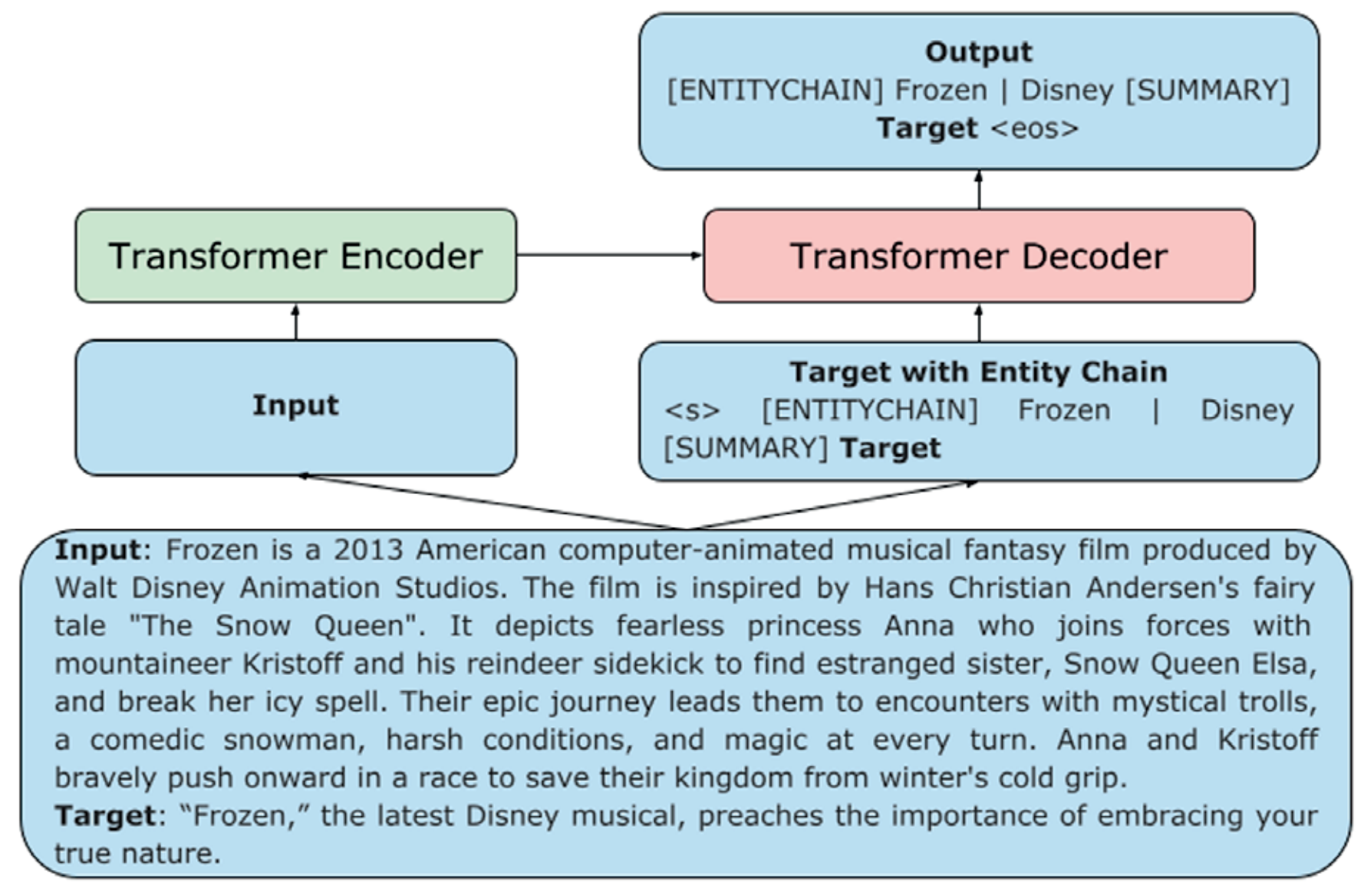
Other papers proposed prompts particularly suited for specific applications. Reif et al. propose to provide a model with examples of multiple styles for style transfer while Tabasi et al. compare independently obtained embeddings of [MASK] tokens using a similarity function for semantic similarity tasks. Narayan et al. steer a summarization model by training it to predict a chain of entities before the target summary (e.g., “[ENTITYCHAIN] Frozen | Disney“). Schick et al. prompt a model with questions containing an attribute (e.g., “Does the above text contain a threat?”) to diagnose if a model’s generated text is offensive. Ben-David et al. generate the domain name and domain-related features as a prompt for domain adaptation.
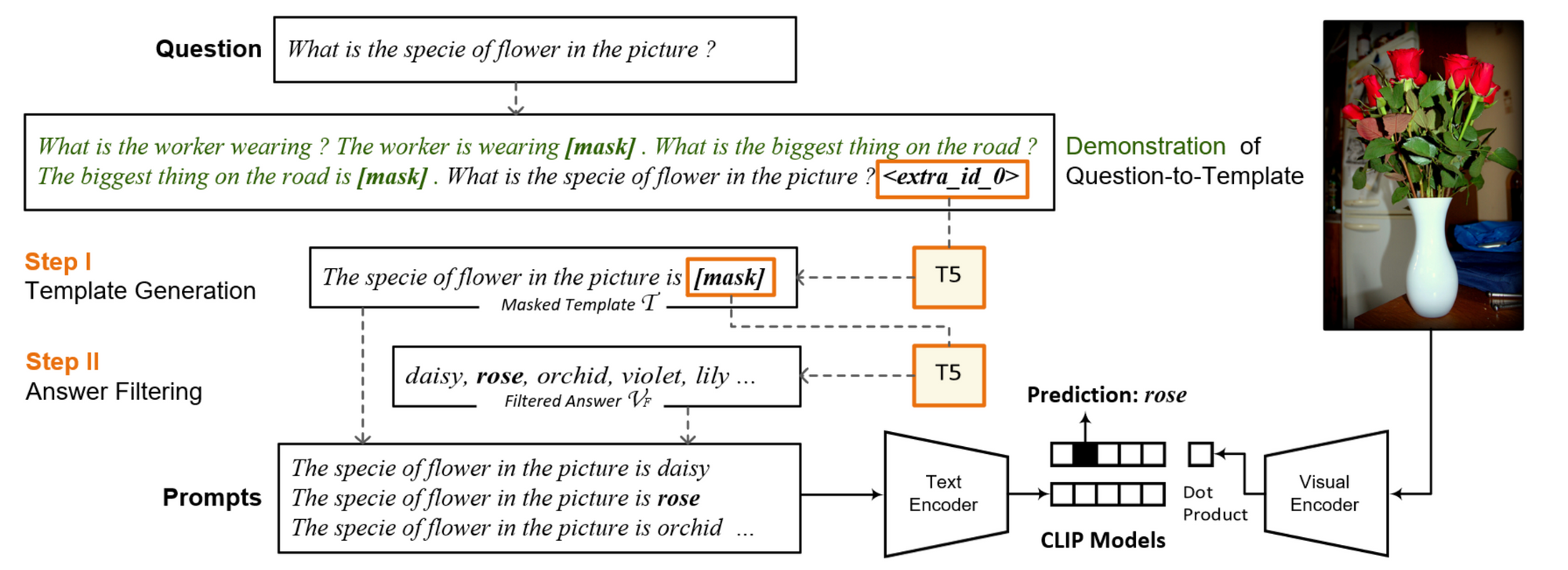
Prompting in a multimodal setting also received some attention. Jin et al. analyze the effect of diverse prompts in a few-shot setting. Song et al. investigate prompting for vision-and-language few-shot learning with CLIP. They generate prompts based on VQA questions using T5 and filter out impossible answers with the LM. Prompts are then paired with the target image and used to calculate image-text alignment scores with CLIP.
Finally, there were a few papers seeking to obtain a better understanding of prompting. Mishra et al. explore different ways of reformulating instructions such as decomposing a complex task into several simpler tasks or itemizing instructions. Lu et al. analyze the sensitivity of models to the order of few-shot examples. As the best permutation cannot be identified without additional development data, they generate a synthetic dev set using the LM itself and determine the best example order via entropy.
The following papers on which I collaborated relate to few-shot learning:
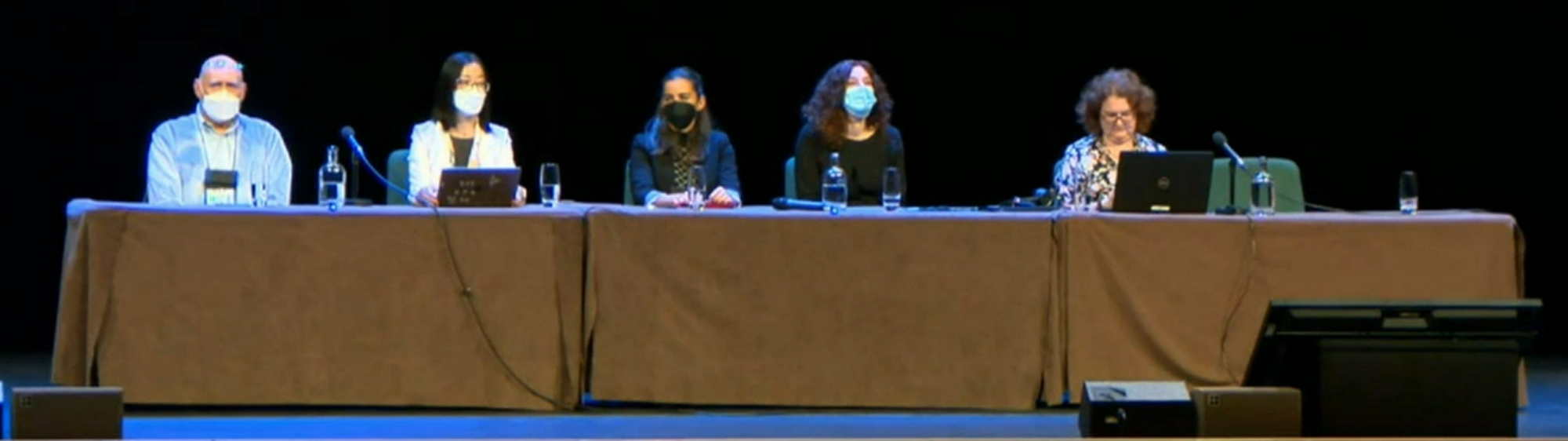
One of my favorite sessions of the conference was the Next Big Ideas session, a new format pioneered by the conference organizers. The session featured senior researchers providing opinionated takes on important research directions.
Two themes stuck out for me during this session: structure and modularity. Researchers stressed the need for extracting and representing structured information such as relations, events, and narratives. They also emphasised the importance of putting thought into how these are represented—through human definitions and the design of appropriate schemas. Many topics required dealing with multiple interdependent tasks, whether for story understanding, reasoning, or schema learning. This will require multiple models or components interfacing with each other. If you want to learn more about modular approaches, we will be teaching a tutorial on modular and parameter-efficient fine-tuning for NLP models at EMNLP 2022. As a whole, these research proposals sketched a compelling vision of NLP models extracting, representing, and reasoning with complex knowledge in a structured, multi-agent manner.
Heng Ji started off the session with a passionate plea for more structure in NLP models. She emphasized moving towards corpus-level IE (from current sentence-level and document-level IE) and noted the extraction of relations and structures from other types of text such as scientific articles and relation and event extraction for low-resource languages. In the multimodal setting, images and videos can be converted into visual tokens, organized into structures, and described with structured templates. Extracted structures can be further generalized into patterns and event schemas. We can represent structure by embedding it in pre-trained models, encoding it via a graph neural network or via global constraints.
Mirella Lapata discussed stories and why we should pay attention to them. Stories have shape, structure, and recurrent themes and are at the heart of NLU. They are also relevant for many practical applications such as question answering and summarization. To process stories, we need to do semi-supervised learning and train models that can process very long inputs and deal with multiple, interdependent tasks (such as modeling characters, events, temporality, etc). This requires modular models as well as including humans in the loop.
Dan Roth stressed the importance of reasoning for making decisions based on NLU. In light of the diverse set of reasoning processes, this requires multiple interdependent models and a planning process that determines what modules are relevant. We also need to be able to reason about time and other quantities. To this end, we need to be able to extract, contextualize, and scope relevant information and provide explanations for the reasoning process. To supervise models, we can use incidental supervision such as comparable texts (Roth, 2017).
Thamar Solorio discussed how to serve the half of the world’s population that is multilingual and frequently employs code-switching. In contrast, current language technology mainly caters to monolingual speakers. Informal settings where code-switching is commonly used are becoming increasingly relevant such as in the context of chatbots, voice assistants, and social media. She noted challenges such as limited resources, “noise” in conversational data, and issues with transliterated data. We also need to identify relevant uses as code-switching is not relevant in all NLP scenarios. Ultimately, “we need language models that are representative of the actual ways in which people use language” (Dingemanse & Liesenfeld). For more on code-switching, check out this excellent ACL 2021 survey.
Marco Baroni focused on modularity. He laid out a research vision where frozen pre-trained networks autonomously interact by interfacing with each other to solve new tasks together. He suggested that models should communicate through a learned interface protocol that is easily generalizable.
Eduard Hovy urged us to rediscover the need for representation and knowledge. When knowledge is rare or never appears in the training data such as implicit knowledge, it is not learned by our models. To fill these gaps, we need to define the set of human goals that we care about and schemas that capture what was not said or what is going to be said. This requires evolving schema learning to a set of inter-related schemas such as schemas of patient, epidemiologist, and pathogen in the context of a pandemic. Similarly, to capture roles of people in groups, we need human definitions and guidance. Overall, he encouraged the community to put thought into building topologies that can be learned by models.
Finally, Hang Li emphasized the need for symbolic reasoning. He suggested a neuro-symbolic architecture for NLU that combines analogical reasoning via a pre-trained model and logical reasoning via symbolic components.
In addition to the Next Big Ideas session, the conference also featured spotlight talks by early-career researchers. I had the honor to speak next to amazing young researchers such as Eunsol Choi, Diyi Yang, Ryan Cotterell, and Swabha Swayamdipta. I hope that future conferences will continue with these formats and experiment with others as they bring a fresh perspective and enable a broader view of research.
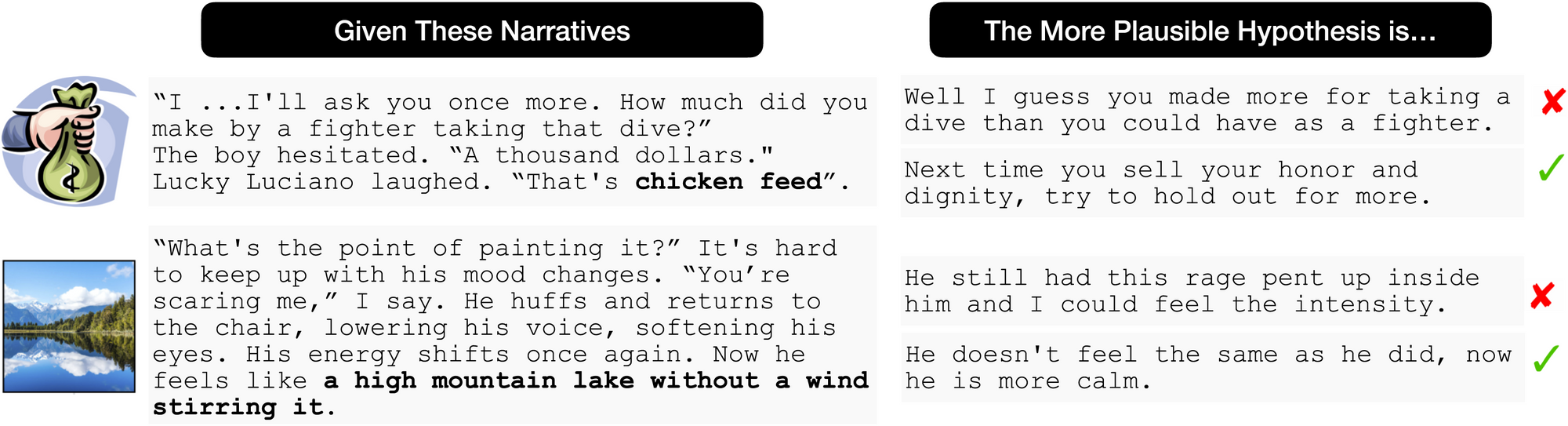
Finally, here are some of my favorite papers on less mainstream topics. Quite a few of these are in TACL, highlighting the usefulness of TACL as a venue for publishing nuanced research. Many of these also emphasize the human side of NLP:
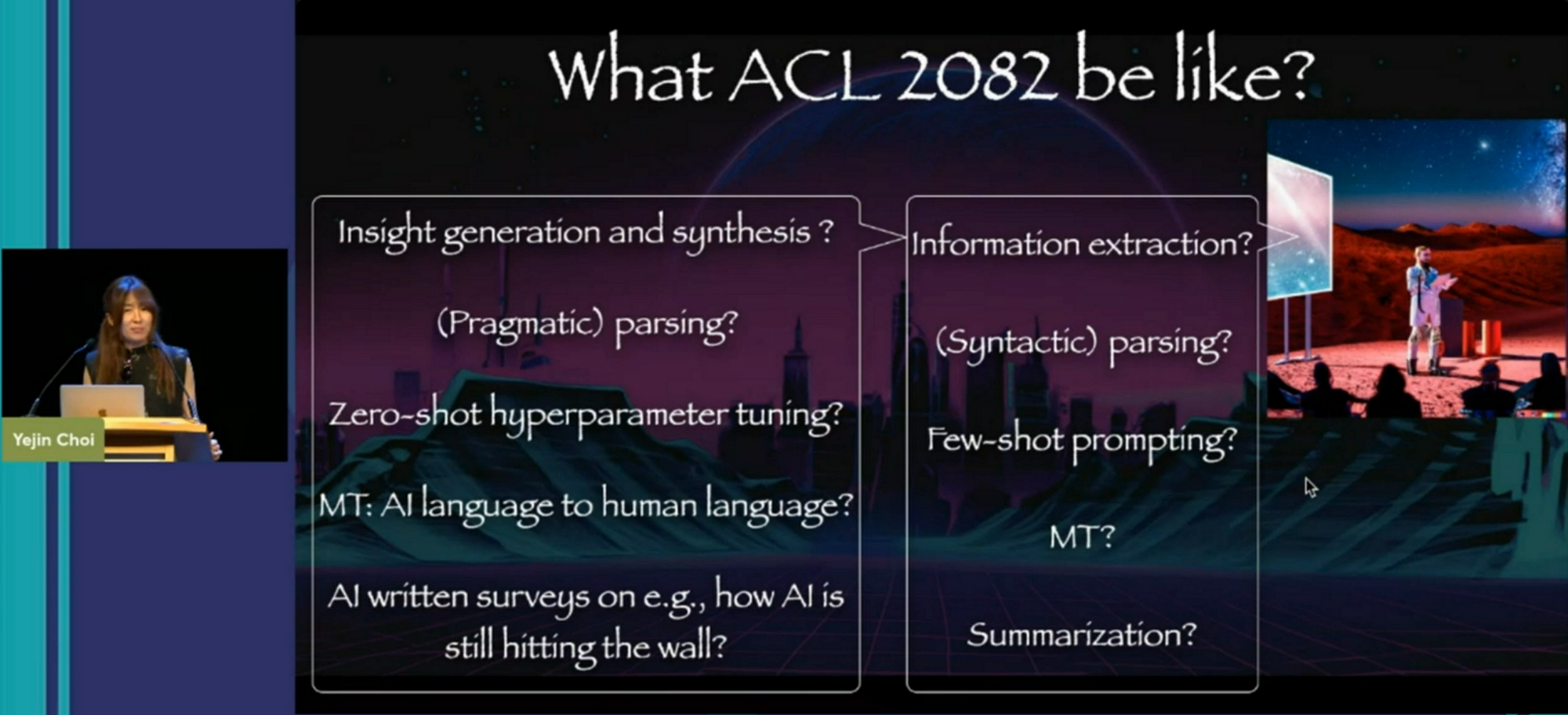
Yejin Choi gave an inspiring keynote. Among other things, it is the first talk I have seen that uses DALL-E 2 for illustrating slides. She highlighted three important research areas in NLP by drawing analogies to physics: ambiguity, reasoning, and implicit information.
In modern physics, a greater understanding often leads to increased ambiguity (see, for instance, Schrödinger’s cat or the wave–particle duality). Yejin similarly encouraged the ACL community to embrace ambiguity. In the past, there was pressure not to work on tasks that did not achieve high inter-annotator agreement; similarly, in traditional sentiment analysis, the neutral class is often discarded. Understanding cannot just be crammed into simple categories. Annotator opinions bias language models (Sap et al., 2021) and ambiguous examples improve generalization (Swayamdipta et al., 2020).
Similar in spirit to the notion of spacetime, Yejin argued that language, knowledge, and reasoning are also not separate areas but exist on a continuum. Reasoning methods such as maieutic prompting (Jung et al., 2022) allow us to investigate the continuum of a model’s knowledge by recursively generating explanations.
Finally, analogous to the central role of dark matter in modern physics, future research in NLP should focus on the “dark matter” of language, the unspoken rules of how the world works, which influence the way people use language. We should aspire to try to teach our models such as tacit rules, values, and objectives (Jiang et al., 2021).
Yejin concluded her talk with a candid take of factors that led to her success: being humble, learning from others, taking risks; but also being lucky and working in an inclusive environment.


I personally really enjoyed the in-person conference experience. There was a strict mask wearing requirement, which everyone adhered to and which did not otherwise impede the flow of the conference. The only issues were some technical problems that occurred during plenary and keynote talks.
On the other hand, I found it difficult to reconcile the in-person with the virtual conference experience. Virtual poster sessions overlapped with breakfast or dinner, which made attending them difficult. From what I have heard, many virtual poster sessions were almost empty. It seems we need to rethink how to conduct virtual poster sessions in a hybrid setting. As an alternative, it may be more effective to create asynchronous per-poster chat rooms in rocket.chat or a similar platform, with the ability to set up impromptu video calls for deeper conversations.
The experience was better for oral presentations and workshops, which had a reasonable number of virtual participants. I particularly appreciate being able to rewatch the recordings of keynotes and other invited talks.
Overall, we still have some way to go to create a great experience for virtual participants. However, it was a blast being able to interact with people in-person again. Thanks to all the organizers, volunteers, and to the community for putting together a great conference!